
[전문가 칼럼] 다양성이 곧 경쟁력이다 -미 진출 한국기업, DEI는 필수 경영 전략
HRCap 현지화 칼럼 시리즈
사람 중심 경영, 문화의 적응을 넘어 문화의 확장
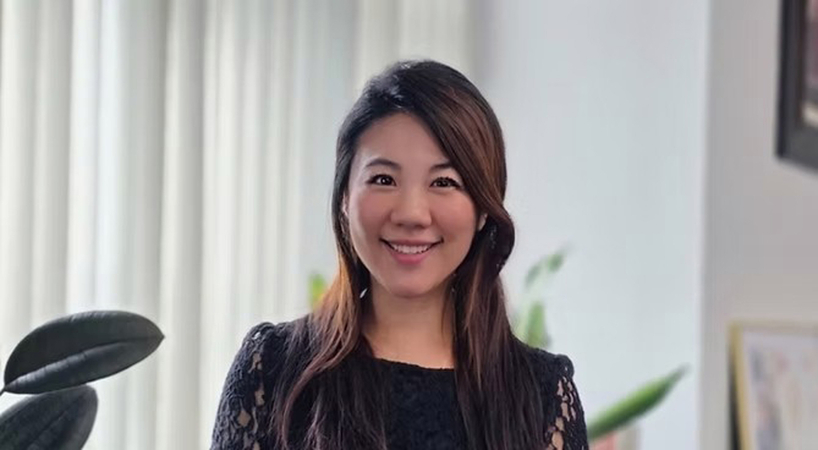
스텔라 김 HR Cap, Inc. 북미총괄 (SVP, Head of Americas & Chief Marketing Officer)
미국 시장의 경쟁력은 ‘인재 확보의 규모’가 아니라 ‘조직 문화의 깊이’에서 갈린다.
다양성과 포용은 단순한 가치가 아니라, 기업이 살아남는 새로운 전략 언어다. 특히 MZ세대 인재들은 급여보다 공정성·소속감·가치 존중을 더 중시하며, 이는 조직의 선택을 결정짓는 핵심 요인이 되고 있다.
글래스도어(Glassdoor) 조사에 따르면, 전체 구직자의 76%가 DEI(다양성·평등·포용)를 기업 지원 여부의 주요 기준으로 꼽았다. 즉, 다양성과 포용은 더는 윤리적 가치가 아닌 기업 생존의 필수 조건이다. 그런데도 많은 한국계 기업들은 여전히 ‘문화적 동질성’을 우선시하며, 안정과 효율을 이유로 다양성 확보를 뒤로 미루고 있다.
미국 시장에서 다양성은 현지화의 핵심이다. 언어와 인종의 다양성은 단순히 이미지 개선 차원이 아니라, 현지 시장을 이해하고, 고객과 신뢰를 쌓는 경영의 본질적인 기반이 된다.
맥킨지의 글로벌 분석에 따르면, 인종과 성별 다양성이 높은 기업은 그렇지 않은 기업보다 수익성이 최대 36% 높고, 혁신지수가 두 배 이상 높다. 다양한 관점과 경험이 의사결정 과정에 반영될수록 문제 해결력과 시장 적응력이 함께 높아진다.
그렇다면 미국 진출 한국 기업들은 어떻게 진정한 미국 법인으로 자리 잡을 수 있을까? 해답은 사람 중심 경영을 확장해 다양성과 포용을 조직 DNA로 내재화하는 것이다. 많은 한국계 기업들은 여전히 본사의 방식과 문화를 그대로 가져와 현지 직원에게 ‘이곳은 한국 회사’라는 인식을 심어준다. 하지만 진정한 현지화는 ‘한국 회사의 미국 지사’가 아니라, ‘미국 시장에서 신뢰받는 미국 법인’을 만드는 일이다. 이를 위해서는 인재의 구성부터 커뮤니케이션 방식, 리더십 구조까지 모두 현지 시장의 가치와 다양성을 반영해야 한다.
다양성은 단지 인종·성별의 비율 문제가 아니라, 서로 다른 배경과 관점을 존중하고 이를 실제 의사결정에 반영하는 경영 구조를 의미한다. 이런 구조가 있을 때 비로소 현지 인재는 ‘이 조직은 나를 존중하고 성장시켜주는 곳’이라고 믿게 되며, 장기적으로 브랜드 평판과 채용 경쟁력도 높아진다.
글로벌 서치 및 헤드헌팅 전문기업인 HRCap은 지난 25년간 미국, 한국, 유럽, 아시아 전역의 고객사와 함께 수만 건의 글로벌 채용 및 HR 컨설팅 프로젝트를 수행하며 ‘다양성’과 ‘포용성’을 중심으로 한 실질적인 현지화 모델을 구축해왔다. AI 기반 인재 매칭 기술과 1000만 명 이상의 다국적 인재 풀을 바탕으로, HRCap은 기업이 문화적 차이를 이해하고 포용하는 조직 구조를 설계하도록 지원한다. 또한 각 기업의 현지 리더를 대상으로 Cross-cultural 리더십 코칭, 글로벌 커뮤니케이션 워크숍, DEI 역량 강화 세미나를 운영하며 본사와 현지 간 간극을 좁히는 역할을 하고 있다.
즉 한국 기업들은 DEI 실행 전략을 설계하며 다음 세 가지 현지화 원칙을 세워야 한다.
1. 인력 구성과 채용·승진 현황을 데이터로 분석해 다양성 수준 파악
2. 포용적 리더십 강화로 관리자 대상 편견 인식 및 다문화 커뮤니케이션 교육
3. 다양한 배경의 인재가 참여할 수 있는 다문화 소통 및 피드백 채널 운영
이 세 가지는 단순한 인사 제도가 아니라, 조직 내 다양성이 경쟁력으로 전환되는 성장 인프라다. 현지 인재가 존중받으며 스스로 성장할 수 있는 생태계를 만드는 것이 곧 미국 시장에서 ‘한국계 기업’에서 ‘글로벌 조직’으로 도약하는 전환점이기 때문이다.
스텔라 김 HRCap, Inc. 북미총괄 (SVP, Head of Americas & Chief Marketing Officer)
Diversity Is Competitiveness: Korean Organizations in the U.S. Must Treat DEI as a Core Management Agenda
[HRCap 2025 Localization Playbook Series]
⑧ HR Strategies for Korean Companies in the U.S.
- People-Centered Management to Advance from Cultural Adaptation to Cultural Expansion
The true measure of competitiveness in the U.S. market lies not in the scale of talent acquisition, but in the depth of organizational culture.
Diversity and inclusion are no longer moral ideals; they are strategic imperatives. Millennials and Gen Z professionals value fairness, belonging, and respect for individuality over compensation, making these factors decisive factors in employment choice.
A Glassdoor survey shows that 76% of job seekers evaluate a company’s Diversity, Equity, and Inclusion (DEI) commitment before applying. Yet many Korean companies still prioritize cultural homogeneity, deferring diversity efforts for the sake of stability and efficiency.
In the U.S., diversity is the essence of localization. Linguistic and ethnic diversity form the foundation for understanding markets and earning client trust.
McKinsey reports that companies with higher racial and gender diversity achieve up to 36% greater profitability and twice the innovation performance. When diverse perspectives and experiences shape decisions, organizations solve problems and adapt to market changes more effectively.
So then, how can Korean companies truly become trusted U.S. entities? The solution lies in expanding people-centered management and embedding DEI into their corporate DNA. Transplanting headquarters’ polices and organizational culture makes local employees feel that they work for a “Korean company.” True localization transforms a “U.S. subsidiary of a Korean company” into a “global U.S. entity trusted by the local market,” aligning talent composition, communication methods, and leadership structure with local values.
Diversity is not simply about ratios, but about embedding respect for different perspectives into actual decision-making. When such structures are in place, local talents can feel valued and empowered. Over time, this strengthens the company’s brand reputation and hiring competitiveness.
HRCap, a Global Total HR Solutions Partner, has spent the past 25 years partnering with clients across the U.S., Korea, Europe, and Asia, successfully executing tens of thousands of global recruitment and HR consulting projects, while establishing a practical localization model centered on DEI. Leveraging AI-powered talent matching technology and a 10-million multinational candidate pool, HRCap has worked with companies to design inclusive organizational structures. Additionally, we have provided cross-cultural leadership coaching, global communication workshops, and DEI capability seminars for local leaders to bridge the gap between headquarters and local entities.
Korean companies must now establish three core DEI execution principles to drive localization:
1. Analyze workforce composition and promotion data to measure diversity
2. Strengthen inclusive leadership through bias awareness and multicultural communication training
3. Build open feedback and communication channels for diverse participation
These three principles are not merely HR policies, but growth infrastructures that convert diversity into competitiveness. Building an ecosystem where local talent feels respected and empowered marks the shift from a “Korean Company” to a “Global Organization” in the U.S.
True localization transcends cultural adaptation; it is cultural expansion. Only organizations that internalize diversity can lead innovation, turning survival into sustainable growth.
Stella H. Kim, SPHR
HRCap – SVP, Head of Americas & Chief Marketing Officer